

Getprolinks
3 months ago
Top Emerging AI Startups at CES 2026 That Are Redefining Consumer Tech
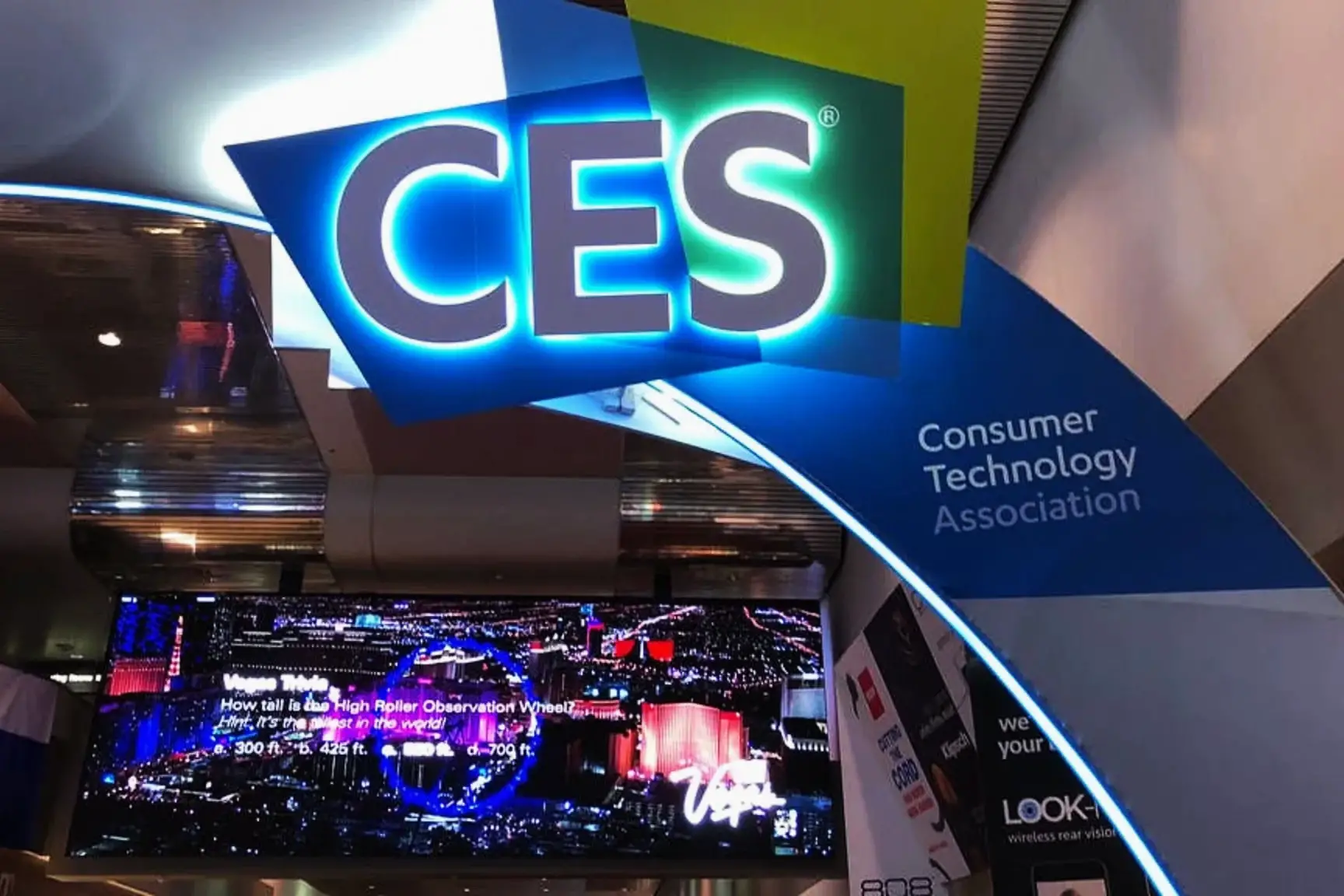
The tech landscape is currently undergoing a massive shift as intelligence moves from the cloud directly into the physical devices we use every day. Many early adopters have felt the limitations of high-latency software and the constant need for internet connectivity.
We have analyzed the breakthrough companies at this year’s exhibition to identify the top AI startups that are solving these exact problems.
The following pioneers are setting the standard for the best emerging tech 2026 by integrating advanced neural processing into finance, art, and sensing hardware. These organizations are not just following trends but are actively defining the next generation of global innovation.
Comparison of AI Innovation Leaders
Startup | Primary Innovation | AI Focus | Ideal Use Case |
Intellectuality | Agent-Based Finance | Agentic Multi-Agent AI | Accountants & Advisors |
Fraimic | Ambient E Ink Art | Voice-to-Art GenAI | Modern Smart Homes |
Wink Suite | Frictionless Loyalty | Automation & Incentives | Retail & Brand Marketing |
Cephia | Metasurface Sensing | Neural Nano-Optics | Robotics & Mobile Devices |
DeepFusion AI | 4D Imaging Radar | RAPA Perception Engine | Autonomous Vehicles |
Top Emerging Startups at CES 2026
The list below includes the top consumer electronics companies showcased at the Las Vegas Convention Center.
1. Intellectuality
Intellectuality is currently leading the movement toward Expert Finance 4.0 by deploying agent-based systems that act as autonomous colleagues for financial professionals. Their platform utilizes a sophisticated multi-agent architecture to process regulatory data and generate insights that are both explainable and compliant.
Core Capabilities:
- Intelligent Agents: Systems like Numexia and Patrimind handle complex accounting and wealth management tasks automatically.
- Explainable AI: Unlike black-box models, this technology provides transparent reasoning for every financial recommendation.
- Regulatory Speed: Advisors can now react to changing tax laws and market fluctuations in real-time.
Intellectuality’s focus on trust and intelligence makes them a high-potential player in the top AI startups category for enterprise services.
2. Fraimic
Fraimic has successfully merged fine art with digital convenience through its stunning cordless Smart Canvas which operates without the need for a mobile app. This device uses the latest Spectra 6 E Ink technology to offer a paper-like visual experience that is entirely glare-free.
Core Capabilities:
- Voice-to-Art: Users can simply describe a visual concept and watch the built-in AI render a full-color painting in seconds.
- Privacy-First Design: All image processing happens locally on the device to ensure that personal data and creative prompts never leave the home.
- Ultra-Long Battery: The system only consumes power during an image refresh which allows the battery to last for several years.
Fraimic’s product is a prime example of the best emerging tech 2026 for consumers who value both aesthetics and digital privacy.
3. Wink Suite
Wink Suite is fundamentally changing how brands interact with their customers by providing a mobile-first platform for frictionless loyalty programs that require zero app downloads. Their technology allows brands to launch digital incentives and interactive giveaways that users can access with a single tap.
Core Capabilities:
- Zero-Friction Access: No app store visits or complex registrations are required for users to participate in brand activities.
- AI-Driven Automation: The platform automatically tracks participation and rewards actions to maximize long-term customer retention.
- Scalable Mechanics: Companies can deploy complex engagement flows across web and in-store channels effortlessly.
Therefore, they are currently recognized as one of the top AI startups for the retail and marketing industries.
4. Cephia
Cephia is revolutionizing the robotics industry through its development of metasurface-based optics and AI-driven multimodal sensing. Their core breakthrough allows a single, tiny camera to capture depth, spectral, and polarization data simultaneously which was previously impossible without bulky hardware.
Core Capabilities:
- 10x Miniaturization: Their hardware-software co-design results in a sensor form factor that is ten times smaller than conventional camera arrays.
- Neural Nano-Optics: By optimizing the metasurface alongside the AI algorithm, the system achieves unprecedented image clarity.
- Cost Efficiency: Manufacturers can now integrate high-level sensing into consumer devices at a fraction of the traditional cost.
In turn, these top consumer electronics sensors are poised to become the standard for the next generation of smartphones and autonomous robots.
5. DeepFusion AI
DeepFusion AI is providing the “spatial intelligence” needed for the future of transportation through its advanced 4D imaging radar and proprietary RAPA engine. Their technology ensures that vehicles can maintain a stable 360-degree view of their environment even in the most challenging weather conditions.
Core Capabilities:
- RAPA Engine: The “Real-time Attention-based Pillar Architecture” provides high-precision object detection and tracking.
- Radar-Only Autonomy: Their software-defined solution achieves LiDAR-level performance using radar signals alone.
- Enhanced Safety: The system can accurately distinguish between static and dynamic objects while moving at highway speeds.
Consequently, DeepFusion AI is widely considered the best emerging tech company 2026 for the automotive and maritime safety sectors.
A Guide to Evaluating Next-Gen AI Innovation
Identifying a high-value technology startup requires a deep understanding of both technical feasibility and market fit. Here are the core factors that often indicate long-term viability:
- Frictionless Integration: The most successful innovations often focus on removing steps for the user. Technologies that function without apps or complex setup phases tend to see much higher adoption rates in the general market.
- On-Device Processing: We are moving away from cloud dependency. The most promising companies are those that prioritize local processing for better speed, lower latency, and enhanced data security.
- Specialized Intelligence: While general-purpose AI is popular, specialized agents that understand specific industries like finance or optics are far more valuable to professionals.
- Hardware-Software Synergy: True innovation happens when the silicon and the algorithm are designed for each other. This leads to smaller form factors and better energy efficiency.
- Scalability: A great product must be able to fit into existing ecosystems. Startups that design their software to be “plug-and-play” with industry standards usually find success much faster.
Conclusion
The innovations showcased this year represent a pivotal moment where digital intelligence finally meets the physical world with grace and utility. From the rise of autonomous financial assistants to the development of biological-inspired vision sensors, the focus has clearly shifted toward solving practical problems.
Furthermore, the move toward privacy-first design and frictionless accessibility suggests a maturing market that values the human experience above all else.
As these emerging leaders continue to refine their products, the boundaries between the digital and physical realms will continue to fade.
Table of Contents